Semantic Technology for Intelligence, Defense, and Security Conference (STIDS) 2026
3351 Fairfax Drive, Arlington, VA 22201
Conference Overview
The Thirteenth International Conference on Semantic Technology for Intelligence, Defense, and Security (STIDS 2026) will be held May 27-28, 2026 at the George Mason University FUSE Center in Arlington, VA.
STIDS provides a forum for academia, government, and industry to share the latest applied research, development, and application of semantic technology for defense, intelligence, and security applications. Semantic technology is a fundamental enabler of greater flexibility, precision, timeliness, and automation of analysis and response to rapidly evolving threats.
National security increasingly hinges on our ability to integrate artificial intelligence with semantic technologies, knowledge graphs, and data fabrics. The STIDS 2026 theme centers on applying semantic technologies to support trustworthy and explainable reasoning across data ecosystems.
- Unclassified Session: May 27-28, 2026
- Classified Session: May 29, 2026
Conference Downloads
Download attendee and presenter materials for STIDS 2026.
Conference Agenda
May 27
| Time | Topic | Authors / Presenters | Location |
|---|---|---|---|
| 8:00 - 9:00 | Registration | Exchange Lobby | |
| 9:00 - 9:10 | Introductions | John Beverley | FUSE Conference Center |
| 9:10 - 9:30 | Cyber Ontology Foundry SLIDES | Peter Kaloroumakis Ryan Hohimer John Beverley | FUSE Conference Center |
| 9:30 - 9:55 | Track A Talk: Introducing D3FEND-CCO | Peter Kaloroumakis Giacomo De Colle | FUSE Conference Center |
| 9:30 - 9:55 | Track B Talk: BFO-Aligned Ontologies as the Semantic Backbone of Tool-Agnostic MBSE | Gideon Zufan Denise Ferniza John Sayoun | Van Metre Hall 113 |
| 9:55 - 10:10 | Break | Exchange Lobby | |
| 10:10 - 10:35 | Track A Talk: Ontology for Attacks in Cyber Risk Assessment SLIDES | Brian Haugh Steve Wartik | FUSE Conference Center |
| 10:10 - 10:35 | Track B Talk: My Ontologist: Evaluating BFO-Based AI for Definition Support | Carter Benson Austin Leibers Alec Sculley | Van Metre Hall 113 |
| 10:35 - 11:00 | Track A Talk: Semantic Interoperability in Cybersecurity: Harmonizing Threat Intelligence with gist and gistCyber SLIDES | Ryan Hohimer Dave McComb Jans Aasman | FUSE Conference Center |
| 10:35 - 11:00 | Track B Talk: Ontology-Driven Test Strategy Optimization SLIDES | Joe Gregory Alejandro Salado | Van Metre Hall 113 |
| 11:00 - 11:15 | Break | Exchange Lobby | |
| 11:15 - 12:00 | Keynote: Innovation in Three Decades SLIDES | Colonel James “Snake” Clark | FUSE Conference Center |
| 12:00 - 13:00 | Lunch (Provided) | Exchange Lobby | |
| 13:00 - 14:30 | Demo A: Ontology Development Workflows with Progressive Web Apps and Client-Side Processing Browser-Based Tools | Jonathan Vajda Aaron Damiano | FUSE Conference Center |
| 13:00 - 14:30 | Demo B: Interactive Tool for Ontology Building SLIDES | Roman Ilin Simon Streltsov Dan Schleigel Carrie Corcoran Liel Shkap Ali Hasanzazeh | Van Metre Hall 113 |
| 14:30 - 15:00 | Break | Exchange Lobby | |
| 15:00 - 16:00 | Track A Panel: Ontology Engineering Implementation Challenges | Neil Otte Mark Jensen John Gugliotti | FUSE Conference Center |
| 15:00 - 15:30 | Track B Talk: Flood-Risk Governance through Hybrid LLM-Graph RAG: A Query Framework for the National Levee Database | Armita Davarpanah | Van Metre Hall 113 |
| 15:30 - 16:00 | Track B Talk: Ensuring Object Singularity in an Integrated Knowledge Graph Ecosystem SLIDES | Forrest Hare | Van Metre Hall 113 |
| 16:00 - 17:00 | Keynote: From Data to Decision Advantage: A Warfighter’s Requirements for Semantic Technology in 21st Century Intelligence | Jamie Steiler | FUSE Conference Center |
| 17:00 - 18:00 | Break | ||
| 18:00 - 20:00 | Dinner: Maggiano’s Little Italy | 5333 Wisconsin Ave NW, Washington, District of Columbia, 20015 |
May 28
| Time | Topic | Authors / Presenters | Location |
|---|---|---|---|
| 9:00 - 09:15 | Summary of Day 1 | John Beverley | FUSE Conference Center |
| 9:15 - 9:40 | Track A Talk: National Security Ontology Foundry SLIDES | Neil Otte | FUSE Conference Center |
| 9:40 - 10:15 | Track A Talk: Ontology Engineering as a Tradecraft SLIDES | John Beverley | FUSE Conference Center |
| 10:15 - 10:50 | Track A Talk: Authoring Mission Threads with Semantic Technologies: From Narrative Workflows to Executable, Explainable Knowledge SLIDES | David Kamien Paul Wach Chinmay Mantravadi | FUSE Conference Center |
| 10:50 - 11:10 | Break | Exchange Lobby | |
| 11:10 - 11:35 | Track A Talk: Zenia - An RDF-Native, Graph RAG, and Multi-Agent Reference Architecture for Explainable Zero Trust Access Control SLIDES | Lowell Vizenor Wen Zhu Jay Desai John Price | FUSE Conference Center |
| 11:10 - 11:35 | Track B Talk: Pangea CLP-PSL: Making Time Explicit in OWL-Centric Knowledge Graphs for Defense and Intelligence Applications | Amanda Hicks Theresa Swift Alex Memory | Van Metre Hall 113 |
| 11:35 - 11:50 | Track A Talk: Helix: A Secure, Provenance-Based, Distributed Ledger System for Storing and Querying Ontology-Driven Knowledge Graphs | Alec Sculley Daniel Chapple | FUSE Conference Center |
| 11:35 - 11:50 | Track B Talk: A Formal Framework for Ontological Vagueness in Intelligence Analysis SLIDES | Thomas Bittner | Van Metre Hall 113 |
| 12:00 - 13:00 | Lunch (Provided) Track A Talk: Transdisciplinary Research Implementation, Hybrid Models, Hybrid Teams and Big Theory SLIDES Track B Talk: Bridging Ontology Engineering to Agentic AI | Dan Maxwell Wesley J. Wildman Andreas Tolk Jeremy Ravenel | Exchange Lobby FUSE Conference Center Van Metre Hall 113 |
| 13:00 - 14:30 | Working Session A: FVEY Ontology Working Group SLIDES | Nigel D (Chair) Paul Cripps Chris Partridge Rebecca Rafferty Barry Smith Derek Weber John Beverley | FUSE Conference Center |
| 13:00 - 14:30 | Working Session B: Ontology Engineering in the Era of Generative AI: Current Trends and Future Trajectories | Joe Blankenship (Chair) Aaron Damiano Jonathan Vajda | Van Metre Hall 113 |
| 14:30 - 15:00 | Break | Exchange Lobby | |
| 15:00 - 16:00 | Keynote: Operational Benefits of Standardization and Open Architectures SLIDES | Lieutenant General Robert "Bob" Elder | FUSE Conference Center |
| 15:00 - 16:00 | Demo B: Trivyn, AI Augmented BFO-CCO Ontology Generation and Neurosymbolic Querying SLIDES | James Adams | Van Metre Hall 113 |
| 16:00 - 17:00 | Demo A: SCRDF - Realizing the Semantics of Plans SLIDES | Michael Norman Lenny Blum | FUSE Conference Center |
| 16:00 - 17:00 | Track B Talk: Beyond Model Construction: Operationalizing Ontologies at Enterprise Scale | Denise Ferniza | Van Metre Hall 113 |
| 17:00 - 18:00 | Summit Knowledge Solutions Hosted Mixer | Veron Smith Hall 3434 Washington Blvd, Ste 1405, Arlington, VA 22201 | |
| 18:00 - 20:00 | Mixer and Dinner (Open) | Ballston Local | 900 N Glebe Rd, Arlington, VA 22203 |
Featured Speakers
Explore selected STIDS presentations and the speakers contributing to them.
Introducing D3FEND-CCO
In this talk, the presenters introduce early work on robust semantic mappings between D3FEND and the Common Core Ontologies, showing how these mappings can improve interoperability and support data quality across cybersecurity workflows.
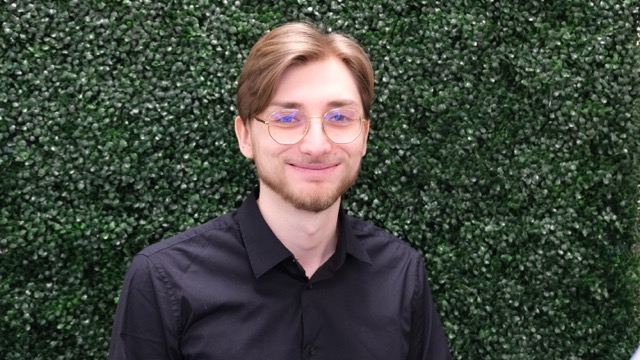
Giacomo De Colle
University at Buffalo
Giacomo is a PhD candidate at the University at Buffalo, where he is doing research on the ontology of sovereignty in cyberspace and its ramifications in the ontology of cybersecurity. He is currently developing mappings between D3FEND and CCO in order to foster interoperability between the two ecosystems.
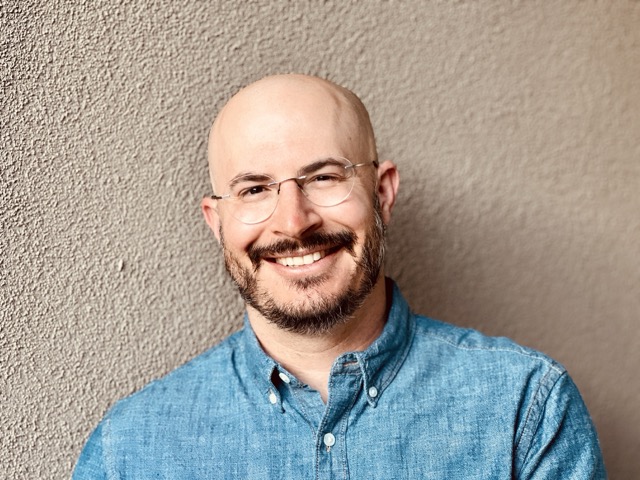
Peter E. Kaloroumakis
MITRE Corporation
Peter Kaloroumakis is a Principal Applied Ontologist at MITRE Corporation where he leads the D3FEND Project, funded by the National Security Agency. He also supports various government sponsors on the development of their Defensive Cyber Operations capabilities.
Pangea CLP-PSL: Making Time Explicit in OWL-Centric Knowledge Graphs for Defense and Intelligence Applications
This talk presents an approach that combines constraint logic programming and probabilistic soft logic to make temporal information in operational knowledge graphs more explicit, checkable, and repairable.
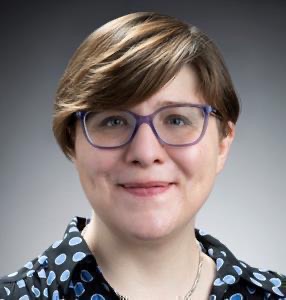
Amanda E. Hicks
Johns Hopkins University Applied Physics Laboratory
Amanda Hicks has nearly two decades of experience in ontology research and development and leads ontology research initiatives at Johns Hopkins University Applied Physics Laboratory.

Theresa Swift
Johns Hopkins Applied Physics Lab
Theresa Swift combines academic research with industry work and has more than 95 publications in logic programming and computational logic. She has been a core developer for XSB Prolog and the ErgoAI KRR system.
Edge Computing Ontology DevOps: Progressive Web Apps for Ontology Development Designed to Support Each Stage of Knowledge Engineering Workflows
This presentation describes a fully local, edge-first approach to ontology development tooling through browser-based progressive web apps designed to support each stage of the knowledge engineering lifecycle.
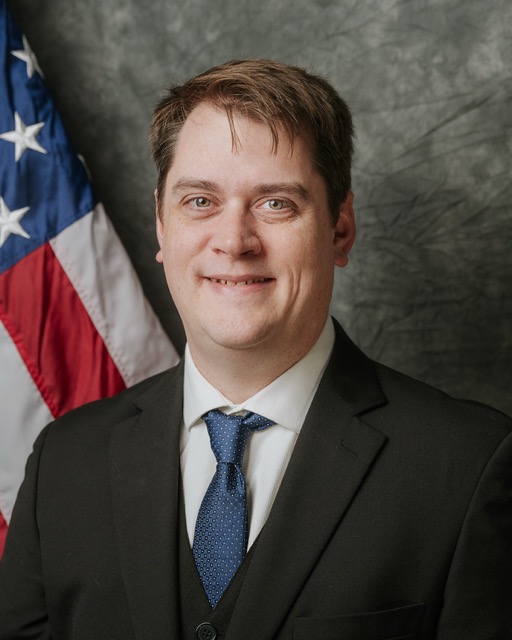
Jonathan M. Vajda
U.S. Customs and Border Protection
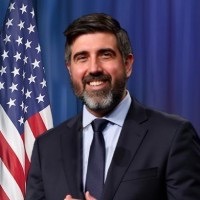
Dr. Jonathan Vajda is an ontologist at U.S. Customs and Border Protection, where he designs and maintains formal, machine-readable domain models aligned with Basic Formal Ontology and related standards.
Aaron A. Damiano
U.S. Customs and Border Protection
Aaron Damiano is a semantic engineer, ontologist, and data scientist specializing in enterprise knowledge graphs and ontology-driven systems. He works at U.S. Customs and Border Protection, where he helps lead efforts to normalize, integrate, and operationalize data using formal ontologies and graph technologies.
Interactive Tool for Ontology Building
This demo presents an interactive tool designed to help subject matter experts create ontologies aligned with BFO and CCO by guiding users through superclass and relation selection.
Roman Ilin
Air Force Research Laboratory
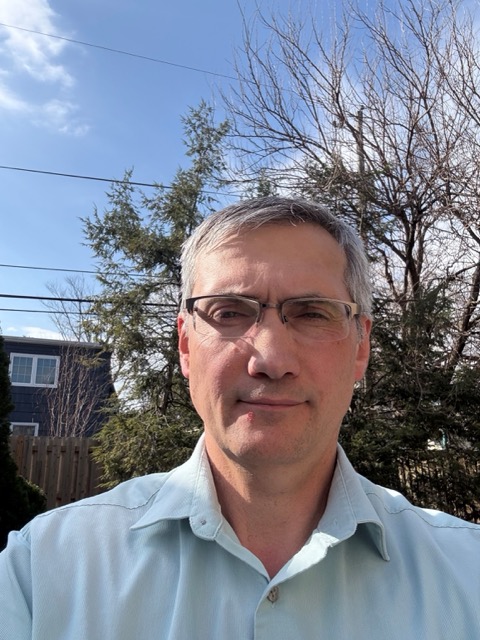
Dr. Roman Ilin is a Research Computer Scientist at the Air Force Research Laboratory. His work focuses on sensor data processing and information fusion.

Ali Hasanzadeh
Arizona State University, LongShortWay Inc.
Ali is a Ph.D. student in Systems Engineering at Arizona State University. His research focuses on applied ontology for supply chain and manufacturing systems, with particular emphasis on developing a mereotopological framework for industrial ontologies.
SCRDF - Realizing the Semantics of Plans
This talk presents SCRDF, an RDF representation of a plan as a state machine using CCO for states and events and SHACL-AF for conditions and actions, bridging the gap between semantic models and software behavior.
Michael G. Norman
JP Morgan Chase
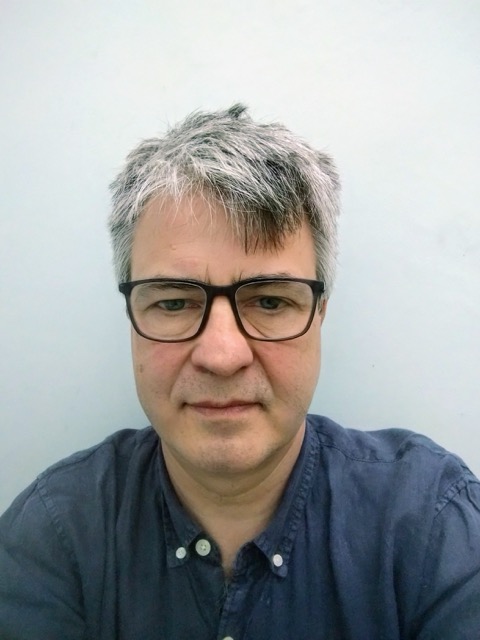
Michael G. Norman has spent the last 11 years at JP Morgan designing and building access management systems for strategic platforms, with a focus on semantic technologies for governance and control processes.
Lenny Blum
JP Morgan Chase & Co.
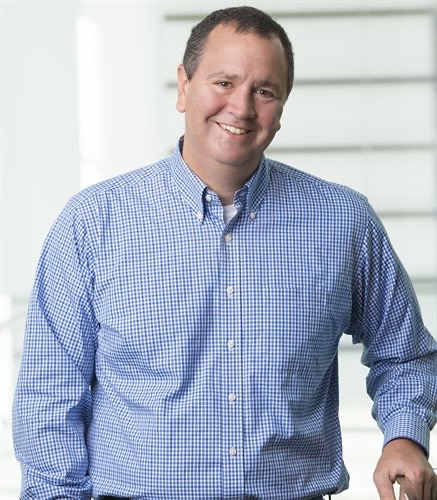
Lenny Blum has been at JP Morgan Chase for the past nine years leading the delivery of governance and helping pioneer the use of semantic technologies to define and govern access patterns.
Ontology for Attacks in Cyber Risk Assessment
This paper presents the Ontology for Attacks in Cyber Risk Assessment (OACRA), supporting cyber risk assessments through improved collaboration, structured attack modeling, and enhanced efficiency in cyber testing environments.

Brian A. Haugh
Institute for Defense Analyses
Dr. Brian A. Haugh has worked extensively on national security information modeling and reasoning at the Institute for Defense Analyses. His work spans ontology development across domains including cyber risk, emergency management, and psychological operations, and he is currently contributing to research on testing and evaluating agentic AI systems.

Steve Wartik
Institute for Defense Analyses
Steve Wartik studies the nature and structure of data and information as they relate to systems engineering, especially software-intensive systems. Over nearly three decades at the Institute for Defense Analyses, he has worked across domains including cybersecurity, C4ISR, generative AI, first responders, and interoperability.
Helix: A Secure, Provenance-Based, Distributed Ledger System for Storing and Querying Ontology-Driven Knowledge Graphs
Helix is a first-of-its-kind software for storing and querying ontology-driven knowledge graphs on a distributed ledger. This presentation presents Helix and demonstrates its basic functionality.
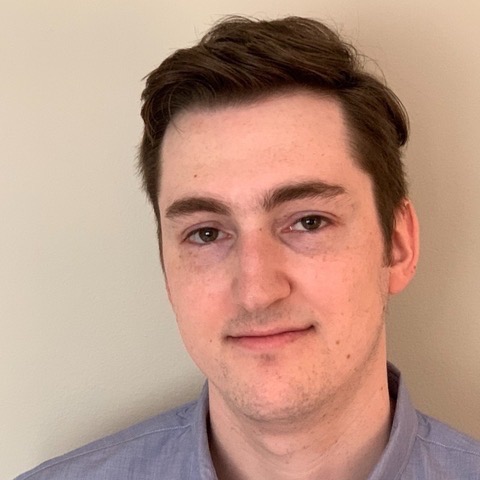
Alec Sculley
Summit Knowledge Solutions
Alec Sculley is a knowledge engineer at Summit Knowledge Solutions specializing in ontology engineering. He has contributed to projects aligning W3C ontologies such as PROV-O and SSN/SOSA with the Basic Formal Ontology ecosystem and currently chairs IEEE Working Group P3195.1.1 on a cyber ontology standard.
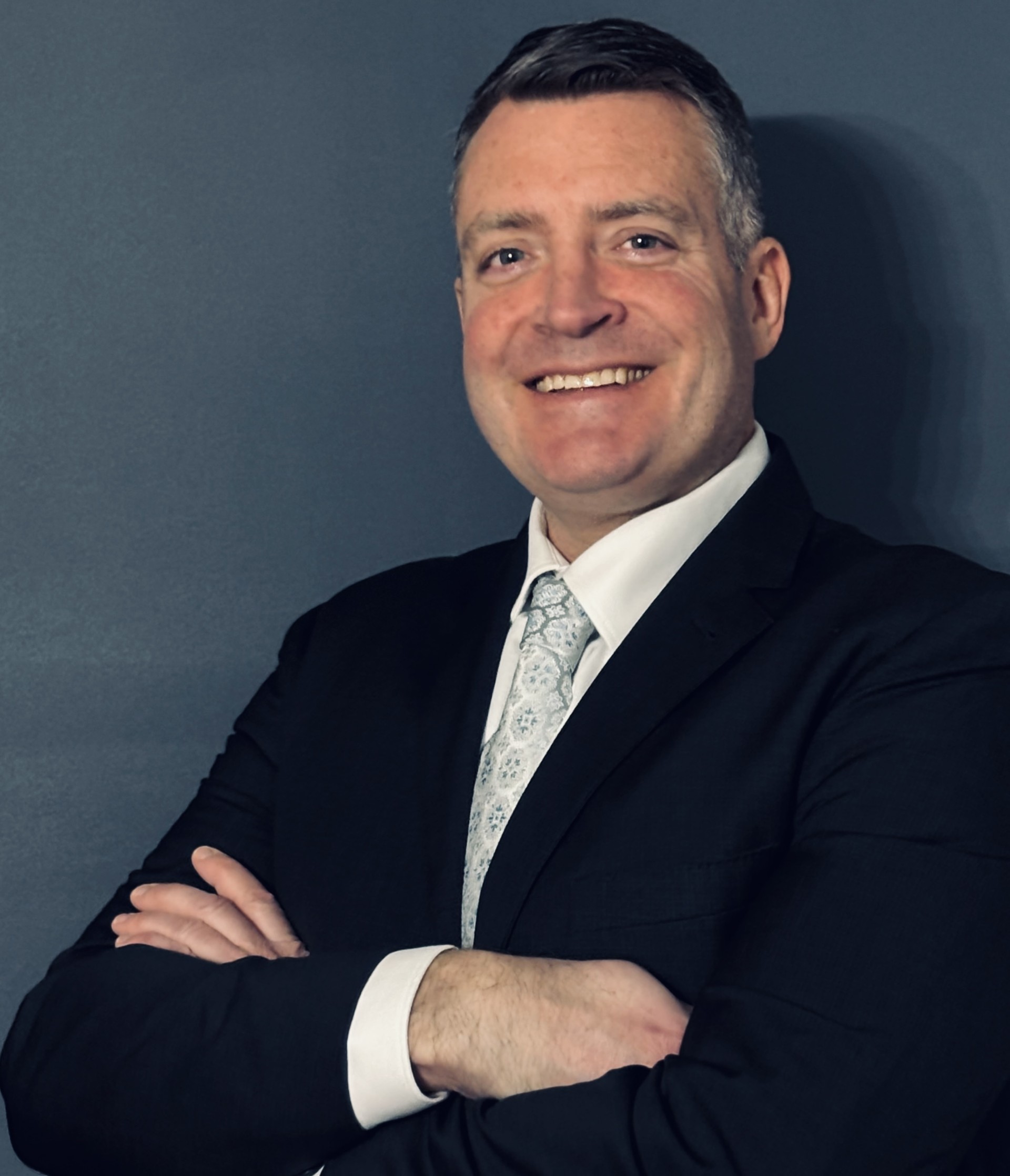
Daniel Chapple
Beskar
Daniel Chapple is the Chief Executive Officer of Beskar, a cybersecurity and full-stack technology company founded by former government technology and security leaders. He has authored U.S. and international patents on post-quantum encrypted distributed systems and artificial intelligence and previously held senior security and counterintelligence roles in government.
Semantic Interoperability in Cybersecurity: Harmonizing Threat Intelligence with gist and gistCyber
Cybersecurity data is fragmented across organizations, standards, and formats, making semantic interoperability a critical challenge. This paper presents gistCyber, an ontology that extends the minimalist enterprise framework gist into the cybersecurity domain. By harmonizing reference datasets such as MITRE ATT&CK, CAPEC, CVE, and NIST SP 800-53, gistCyber enables unified reasoning, federated querying, and scalable threat analysis. We demonstrate its utility through a practical use case involving SPARQL-based integration of vulnerabilities, weaknesses, attack patterns, and controls. The results show that semantic alignment is not only feasible but essential for intelligent cyber defense.

Ryan E. Hohimer
Hohimer Intelligence Strategies LLC
Ryan Earl Hohimer is a semantic architect, ontology engineer, and ecosystem builder known for advancing knowledge representation and reasoning in cybersecurity and semantic data systems. He is the Principal Architect and Founder of Hohimer Intelligence Strategies LLC and formerly served as a journeyperson ontologist and knowledge engineer at Semantic Arts.
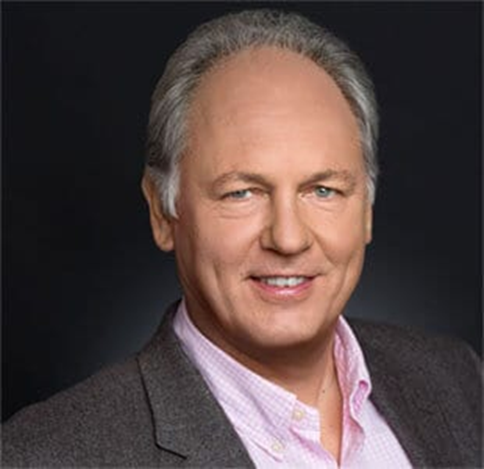
Jannes “Jans” Aasman
Franz Inc.
Jannes “Jans” Aasman is a Dutch psychologist and cognitive science expert who serves as CEO of Franz Inc., the company behind AllegroGraph. He is recognized for pioneering work in semantic AI, knowledge graphs, and hybrid neuro-symbolic architectures that combine machine learning with logical reasoning.
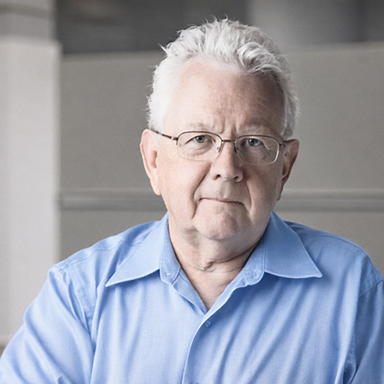
Dave McComb
Semantic Arts
Dave McComb is the CEO and co-founder of Semantic Arts. He and his team help organizations uncover the meaning in data from their information systems. He is also the author of “The Data-Centric Revolution,” “Software Wasteland,” and “Semantics in Business Systems.”
Individual Presentations
These presentations feature individual speakers contributing to this year’s STIDS program.
BFO-Aligned Ontologies as the Semantic Backbone of Tool-Agnostic MBSE
This presentation explores how BFO-aligned ontologies can serve as a semantic backbone for MBSE by connecting heterogeneous engineering artifacts through a shared, machine-interpretable vocabulary, improving validation, interoperability, and traceability.
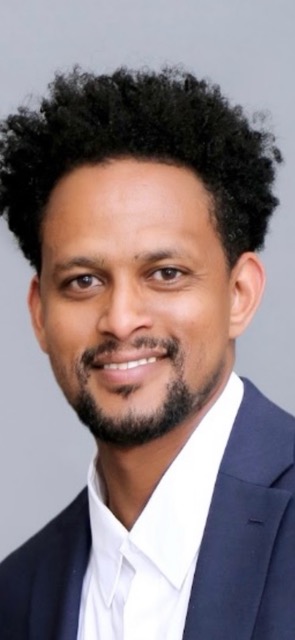
Gideon Zufan
WTI Solutions (supporting the U.S. Air Force)
Gideon Zufan is a Knowledge Model Developer at WTI Solutions supporting the U.S. Air Force, where he develops ontologies and knowledge models to structure complex domain knowledge and enable semantic interoperability across defense data systems.
My Ontologist: Evaluating BFO-Based AI for Definition Support
This talk evaluates whether GPT-based systems can reliably support BFO-conformant ontology development, examining their performance in generating definitions, respecting ontology hierarchies, and producing valid OWL and Turtle content.
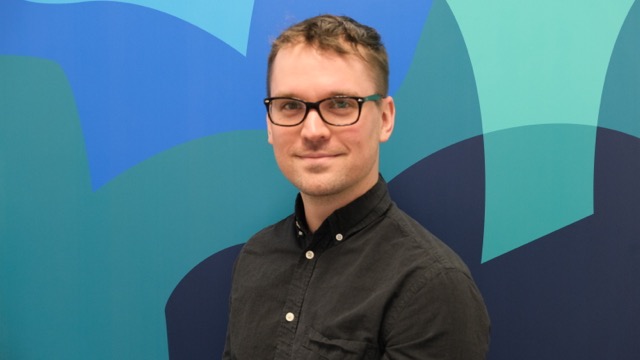
Carter-Beau Benson
CUBRC Inc.
Carter-Beau Benson is an ontologist at CUBRC Inc. and a doctoral candidate at the University at Buffalo. His research spans applied ontology, knowledge representation, and domain modeling, with a dissertation developing an ontology of soccer.
Ontology Tradecraft
I defend best practices for ontology engineering in support of simultaneously addressing interoperability and data quality challenges through a standardized tradecraft. This is presented against historical cycles of ontology engineering, comparing past interest in ontologies with the current AI era.
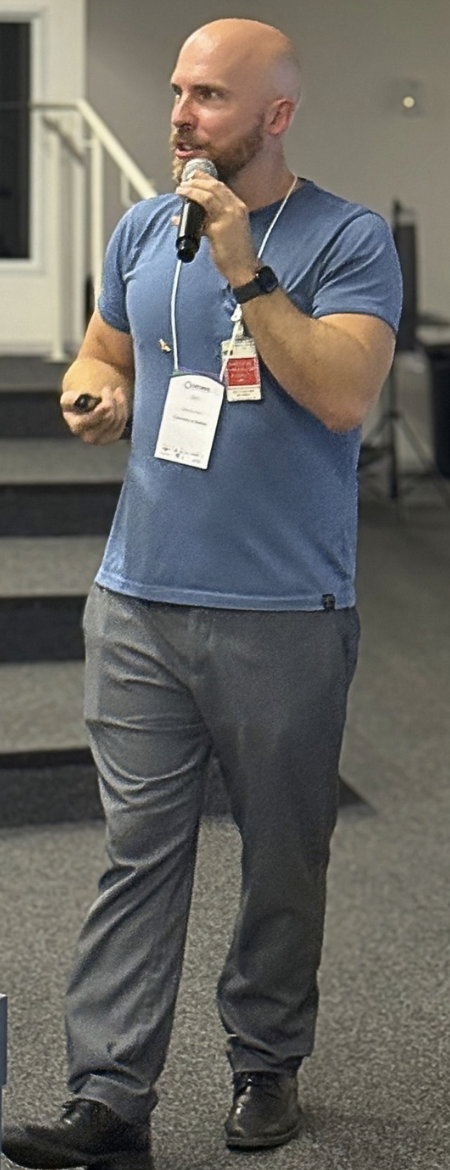
John Beverley
University at Buffalo
Dr. John Beverley is director of the MS and PhD programs in Applied Ontology programs University at Buffalo (UB). He is one of the developers of the ISO/IEC 21838-2 top-level standard Basic Formal Ontology (BFO), chair of the IEEE P3195 Mid-Level Ontology standard working group, and core developer on numerous BFO-based ontology projects.
Ontology-Driven Test Strategy Optimization
This presentation introduces an ontology-driven pipeline for test strategy generation and optimization, integrating semantic web technologies with digital engineering tools to reduce cost and improve traceability across test environments.
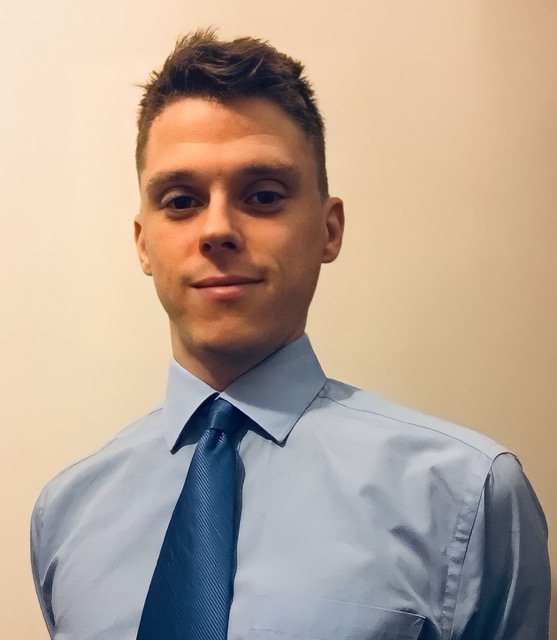
Joe Gregory
University of Arizona
Dr. Joe Gregory is an Assistant Research Professor in the Department of Systems and Industrial Engineering at the University of Arizona. His research focuses on digital engineering and the use of semantic technologies to improve engineering decision-making and lifecycle integration.
Authoring Mission Threads with Semantic Technologies
This talk shows how semantic technologies can turn mission threads from narrative artifacts into executable, explainable knowledge using ontology, SHACL validation, provenance-linked graphs, and reusable authoring patterns.

David Kamien
Mind-Alliance Systems, LLC
David Kamien is the CEO and Founder of Mind-Alliance Systems, LLC, and an innovation strategist with more than 25 years of experience spanning consulting, law, and national security. His work focuses on AI-powered solutions, knowledge graphs, retrieval-augmented generation, and decision-support systems for government, corporate, and legal contexts.
Additional Featured Speakers
These speakers are part of the developing STIDS program. Additional presentation details will be added as they are confirmed.

Amy Morris
National Geospatial-Intelligence Agency (NGA)
Amy Morris is a professionally licensed geotechnical engineer with more than 20 years of experience in consulting and federal service. Her work has focused extensively on levee infrastructure, risk assessment, and specialized analyses, and she is now engaged in research aimed at improving infrastructure documentation and detection.
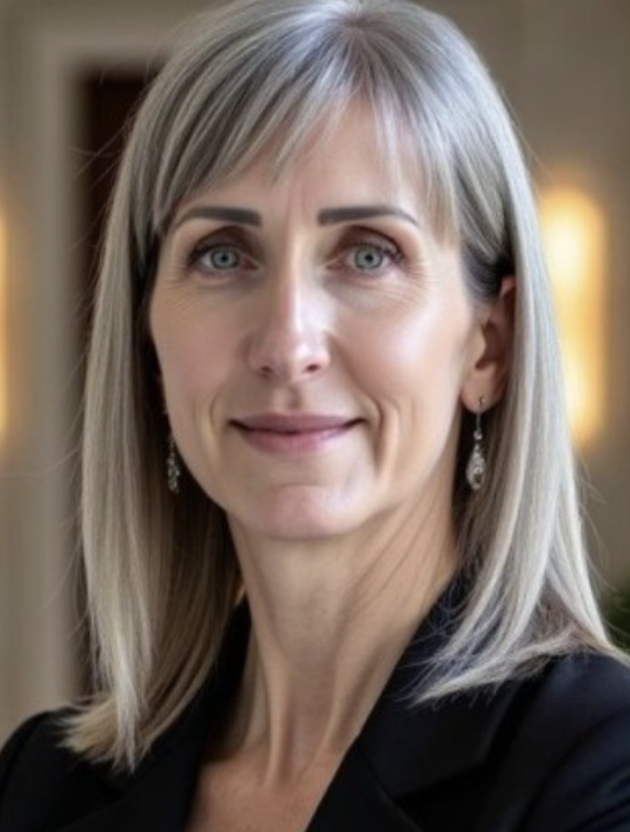
Jaime L. Stieler
480th ISR Wing, United States Air Force
From Data to Decision Advantage: A Warfighter’s Requirements for Semantic Technology in 21st Century Intelligence
This keynote challenges the semantic technology community to move beyond elegant data architectures and confront the operational realities of modern warfare. From the warfighter’s perspective, the true measure of advances in data management, structured relational representation, and AI is whether they can transform overwhelming volumes of disconnected data into trusted decision advantage before the adversary acts.
Jaime L. Stieler is the Director of Advanced Programs for the 480th ISR Wing, where she supports intelligence mission modernization and operational integration across joint and coalition environments. Her work focuses on advancing ISR capabilities, improving data usability and interoperability, and aligning emerging semantic technologies with real-world operational requirements.
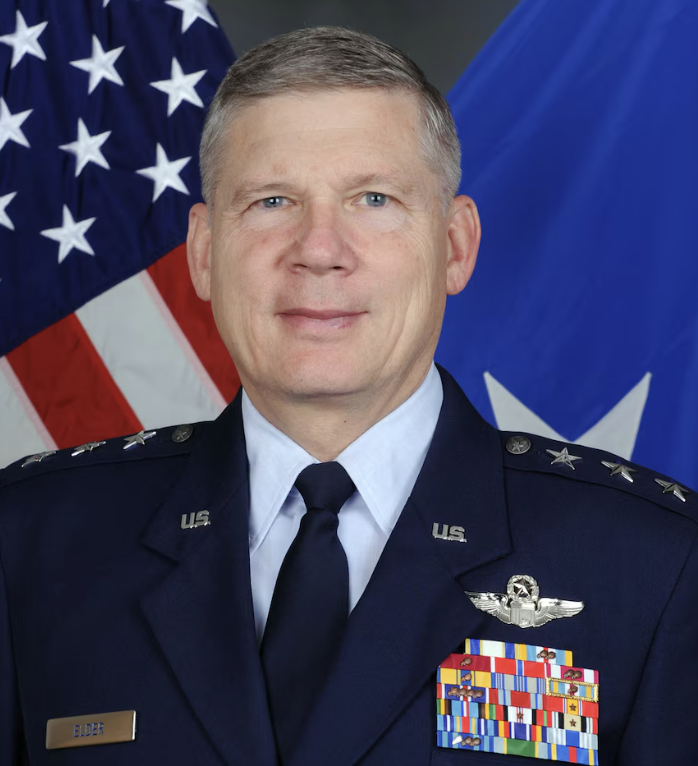
Lieutenant General Robert J. "Bob" Elder Jr
at George Mason University
Operational Benefits of Standardization and Open Architectures
The Operational Benefits of Standardization and Open Architectures presentation illustrates how the use of ontology engineering’s conceptual structure underpins DoD Architectural Framework (DODAF) views and makes them coherent and machine-interpretable. DODAF’s organized views of capabilities, operations, systems, standards, projects, services, and data supports detailed analysis from multiple perspectives while providing decision-makers a “big picture” view.
Lieutenant General Robert J. "Bob" Elder Jr. is the former Commander, 8th Air Force; Commander, Barksdale Air Force Base, Louisiana; and Commander, Joint Functional Component Command for Space and Global Strike, U.S. Strategic Command, Offutt AFB, Nebraska. He is now a member of the research faculty at George Mason University.

James G. “Snake” Clark
Former ISR and UAV Operations Leader
Innovation in Three Decades
Mr. Clark’s career offers a powerful case study in mission-driven innovation under bureaucratic constraint. This keynote examines Clark’s example as a model of practical resilience, ethical risk-taking, and leadership under pressure. It explores what it means to challenge slow systems responsibly while remaining focused on delivering critical capabilities to those operating in harm’s way.
Retired Colonel James G. “Snake” Clark is widely known as the “Godfather of the Predator” for his role in accelerating the deployment of unmanned aerial capabilities that reshaped modern military operations. Across three decades of service, he championed rapid operational innovation, near-real-time intelligence delivery, and deployable satellite downlink capabilities in support of the warfighter.
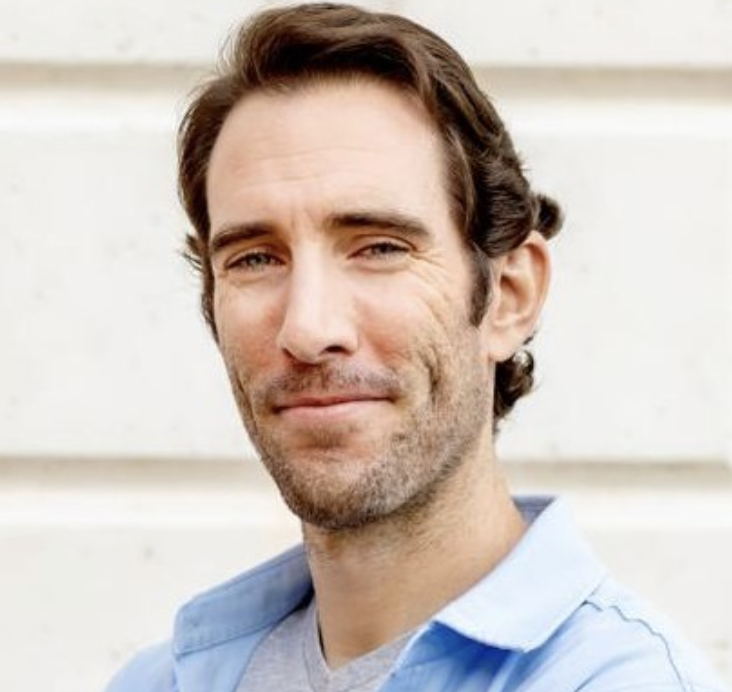
Joe Blankenship
A Valid Company
Ontology Engineering in the Era of Generative AI: Current Trends and Future Trajectories
Ontology engineering is rapidly evolving within generative AI, shaping knowledge representation and reasoning. This session explores emerging tools, techniques, and methodologies for effective ontology development, including integration with agentic AI, explainable AI, and governance concerns such as bias mitigation, information security, and privacy preservation.
Joe Blankenship is the founder of A Valid Company and a veteran with more than 20 years of experience spanning data science, geospatial analysis, and AI engineering. His work across government, nonprofit, academic, and commercial sectors focuses on building validated data and AI solutions tailored to operational and organizational needs.

Armita Davarpanah
Spelman College
Flood Risk Governance through Hybrid LLM–GraphRAG: A Query Framework for the National Levee Database
This presentation introduces an ontology-driven, AI-enabled framework for integrating and analyzing levee infrastructure data. The approach combines the Levee System Ontology (LSO), built on BFO and CCO, with a Neo4j-based knowledge graph aligned with the National Levee Database to enable a consistent representation of levee systems, components, and failure processes. Building on this semantic foundation, a GraphRAG layer supports hybrid retrieval, natural language question answering, and automated translation of user queries into graph-based operations. Using data from the USACE Rock Island District, the framework demonstrates scalable integration, traceable reasoning, and enhanced accessibility for both technical and non-technical users.
Armita Davarpanah is an Assistant Professor at Spelman College whose research focuses on ontology engineering, semantic technologies, and AI-enabled infrastructure analysis. Her recent work integrates BFO- and CCO-aligned ontologies with knowledge graphs and GraphRAG systems to support flood risk governance and levee infrastructure decision-making.
Contact Us
Have questions about STIDS 2026? We're here to help.
Location:
Fuse at Mason Square (George Mason University)
3351 Fairfax Drive, Arlington, VA 22201